
Situation Analysis
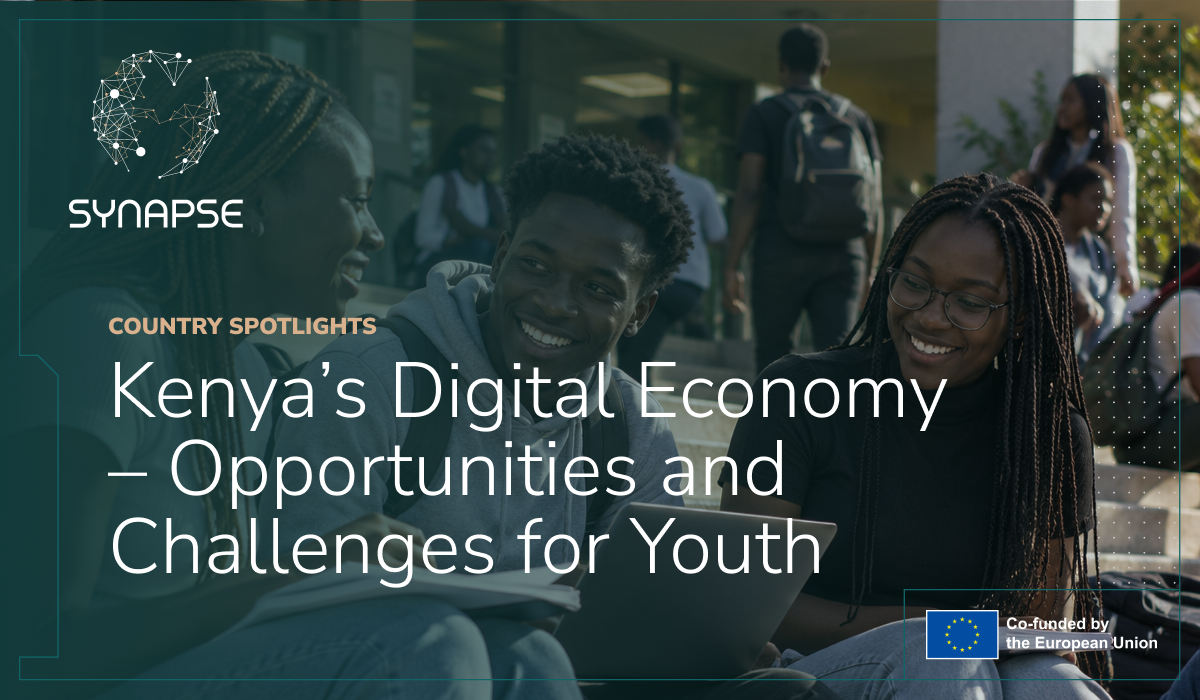
In Kenya, over 70% of the population is under the age of 30 years and it is this demographic segment that has been credited to the rapid digital technology transformation, more especially, the use of mobile phone technology and the rapid expansion of the Fintech & Gig ecosystem through the use of digital outsourcing platforms.
According to the Communications Authority of Kenya (CAK), the Internet penetration rate is approximately 40.5% to 48% of the total population and the mobile connections exceed the total population at over 134% (around 77.5 million connections), fueled by affordable smartphones and robust mobile data subscriptions that has empowered thousands of young freelancers and entrepreneurs. The National Digital Masterplan (2022–2032) has enhanced digital jobs via local innovation hubs, positioning Kenya as a leading tech hub in Sub-Sahara Africa.
This is evidenced by the over one million youth, who engage in digital jobs (software development, AI annotation, content creation) on both the local and the global platforms as registered in the Ajira Digital Platform. The mushrooming of grassroot innovation hubs together with free internet provided by the government, affordable digital devices and digital skills training through public platforms that include Jitume, has scaled Kenya’s’ digital economy. Nevertheless, there exists bottlenecks that include high device import taxes, erratic power connectivity in rural areas and a volatile gig platform.
Digital Skills, Entrepreneurship and Youth Opportunities
An estimated 70% of the youth in Kenya rely on self-learning to acquire digital skills, highlighting an urgent need for structured mentorship, advanced re-tooling, and cross-border learning opportunities. Both public and private institutions, including universities and TVETs have established innovation hubs and incubation spaces that organise hackathons, and bootcamps focused on coding and software development. Short-term, application-focused digital certification courses are rapidly gaining traction over traditional four-year degree programs and the monetization of social media platforms, principally Instagram, TikTok, and WhatsApp, have become vital engines for youth-led digital marketing, content creation, and e-commerce.
TUK’s Role in Digital Innovation
With a student population of around 15,000, the Technical University of Kenya (TUK) serves as a foundational engine of the digital economy, bridging the gap in basic research, engineering, skilled human capital, and market-driven innovation. With a specialised skills pipeline, TUK trains at all levels- computer scientists, data analysts, software engineers, and cybersecurity experts essential for building digital transformation. Since modern digital transformation requires cross-disciplinary talent, the Centre for Innovation and Technology Transfer at TUK supports the mainstreaming of digital adoption and the licensing of intellectual property. The continuous need for partnership with the industry, global tech corporations and regional governments in building specialised labs and co-working spaces has gained prominence making TUK to broaden access to digital literacy programs
Driving Tomorrow’s Economy
Through the digital economy, the Kenyan youth can live, learn, create, and build sustainable enterprises, equipped with high adaptability and emerging technical skills enabling them launch scalable startups with low capital requirements and positioning them in the global digital space. Nevertheless, policymakers and industry stakeholders need to systematically address key structural barriers through targeted interventions to enhance inclusivity. Expanding the last-mile broadband infrastructure into rural regions while lowering import tariffs on entry-level smart devices is vital in bridging the geographic digital divide. Safeguarding the youth professionals requires robust digital worker protection frameworks that enforce fair wage standards, protect cross-border labor rights, and streamline international payout mechanisms. There is also a need for expanding access to capital demands tailored financial solutions, particularly specialised micro-credit underwriting models designed for gig workers who lack traditional paystubs and collateral. Building long-term ecosystem resilience necessitates digital readiness, integrating foundational digital knowledge and skills into primary, secondary and vocational education curricula.
Systems Thinking & Digital Exchange
Since the digital landscape is shifting rapidly with emerging technologies, integrating Systems Thinking enables young people to navigate market disruptions, design sustainable digital business models, and shape the architecture of the digital economy rather than merely participating in it. SYNAPSE is a game changer as it will empower the youth access and navigate emerging digital opportunities by equipping them with holistic problem-solving skills. TUK’s academic strengths will play a central role in driving SYNAPSE, helping young innovators analyse their abilities and critically evaluate their digital skills as they access market opportunities.