
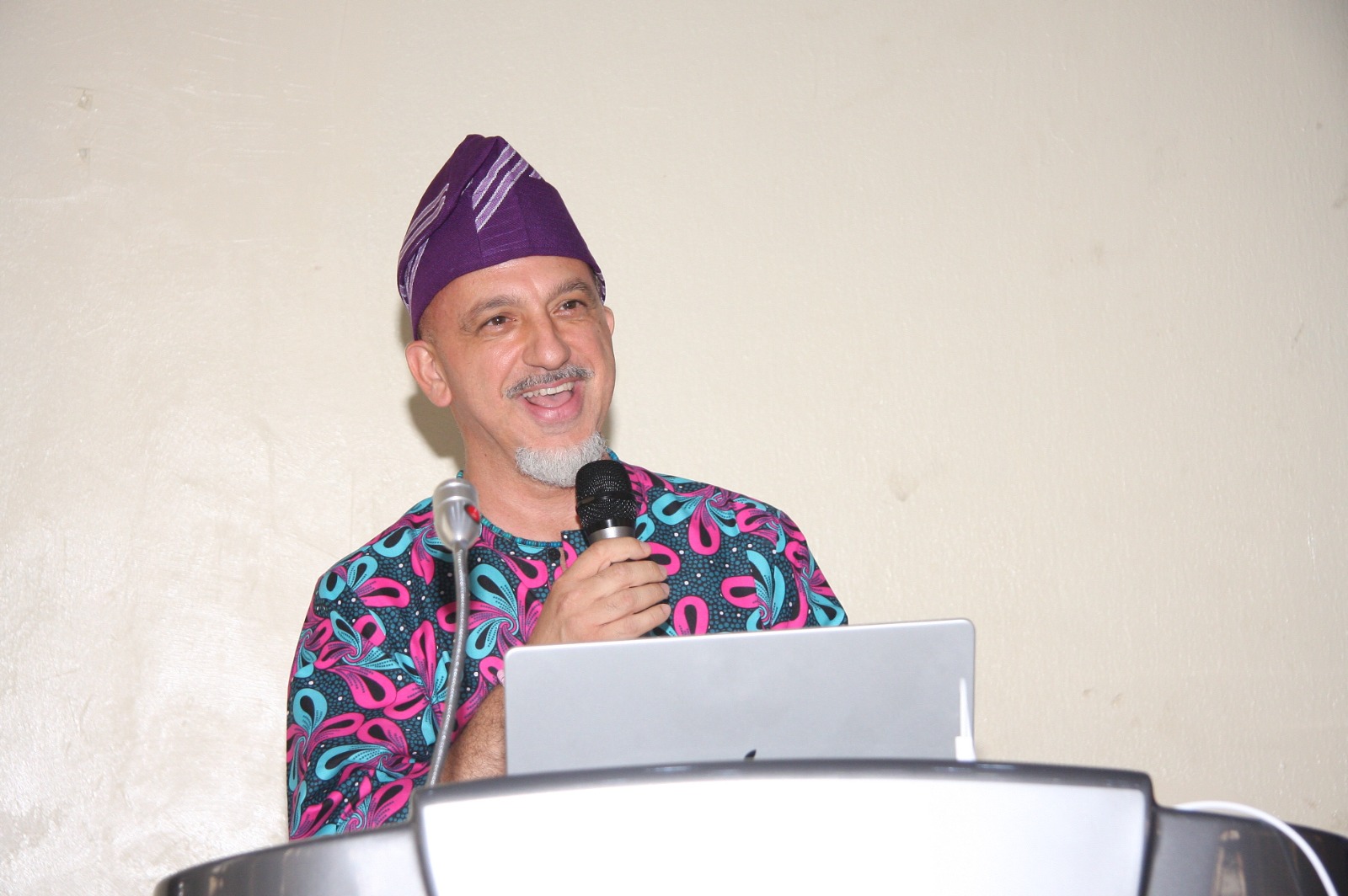
Stefano Armenia delivering the keynote address
The OWSD Biennial Southwest Zonal Conference took place in Nigeria from 1st to 4th September 2026 under the theme “Systems Thinking and Innovation: Transforming Challenges into Opportunities for National Development”. The conference brought together researchers, academics and professionals to examine how innovation can support development and how complex challenges can be understood and addressed.
Prof. Stefano Armenia gave the keynote address. He asked participants to consider a question that precedes any solution: How does the way we understand a problem shape the solutions we develop? Systems Thinking responds by moving attention from isolated events to the relationships between the elements of a situation. Prof. Armenia used several models to show how this works and how they allow people to look past the visible symptoms of a problem to the structure that produces it.
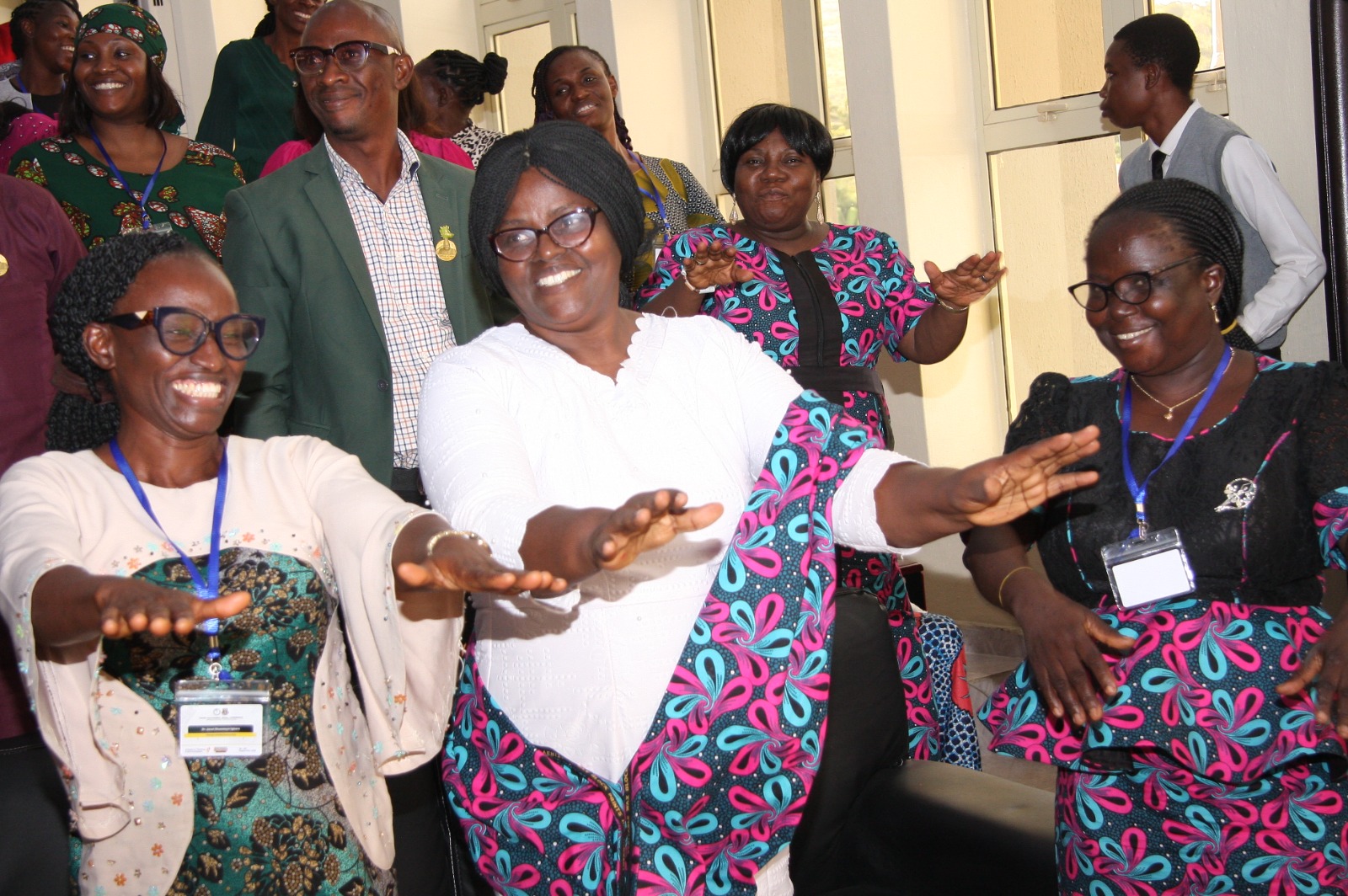
Participants during the demonstration of Mental Model
One of the concepts discussed was that of mental models: the ideas, assumptions and beliefs through which people interpret the world, usually without examining them. They determine what we take to be the cause of a problem and which solutions we consider possible. Two people facing the same situation can reach opposite conclusions because each holds a different mental model.
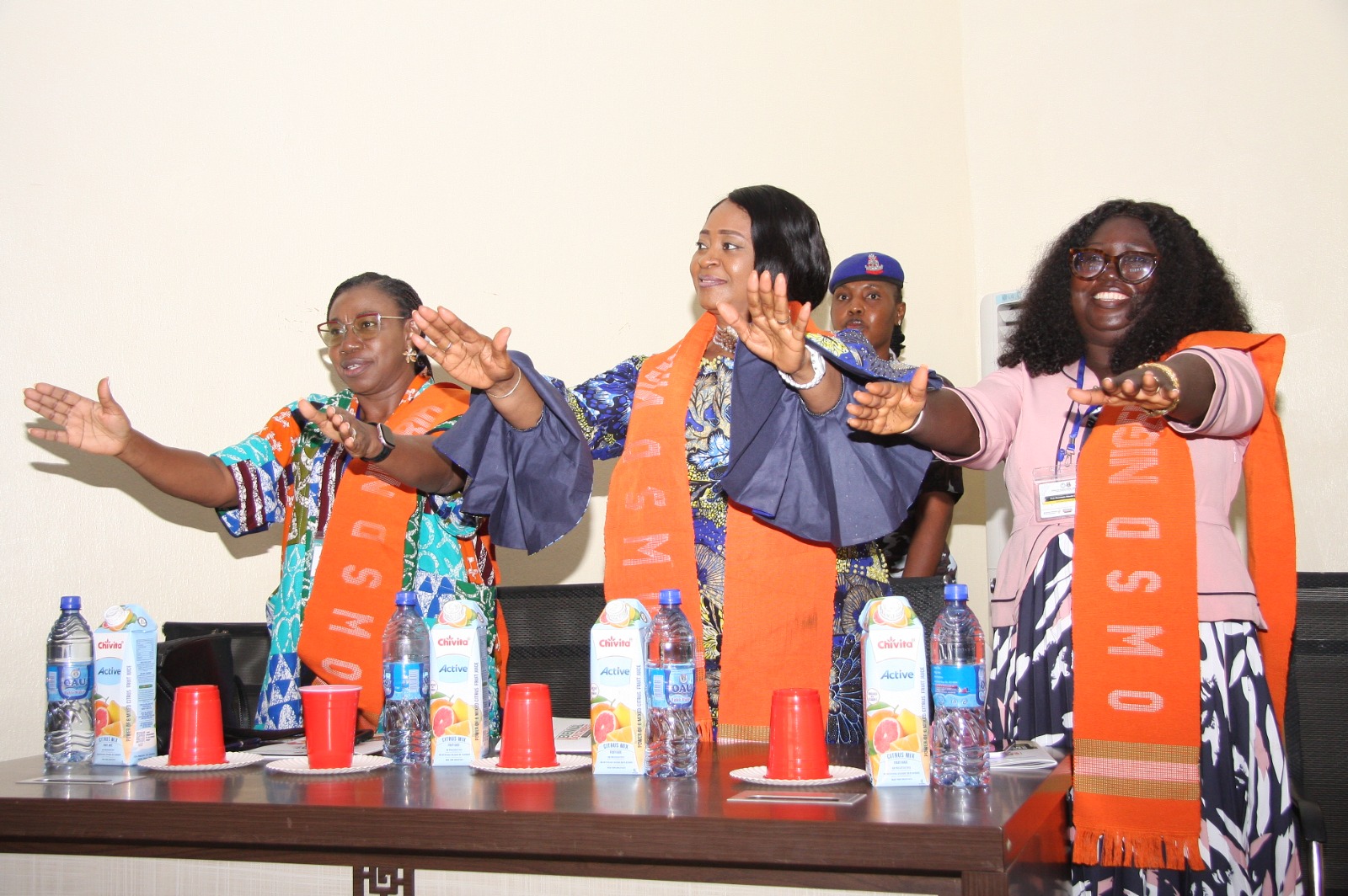
Participants during the demonstration of mental models
However, making these assumptions explicit can lead to a better understanding of the problem and shape how possible responses are considered. Prof. Armenia also introduced other systems models during the keynote to demonstrate how different elements within a system can interact and produce outcomes over time. The discussion showed that an intervention in one part of a system does not always produce an isolated result. Its effects can extend to other parts of the system, sometimes in ways that were not anticipated when the intervention was designed.
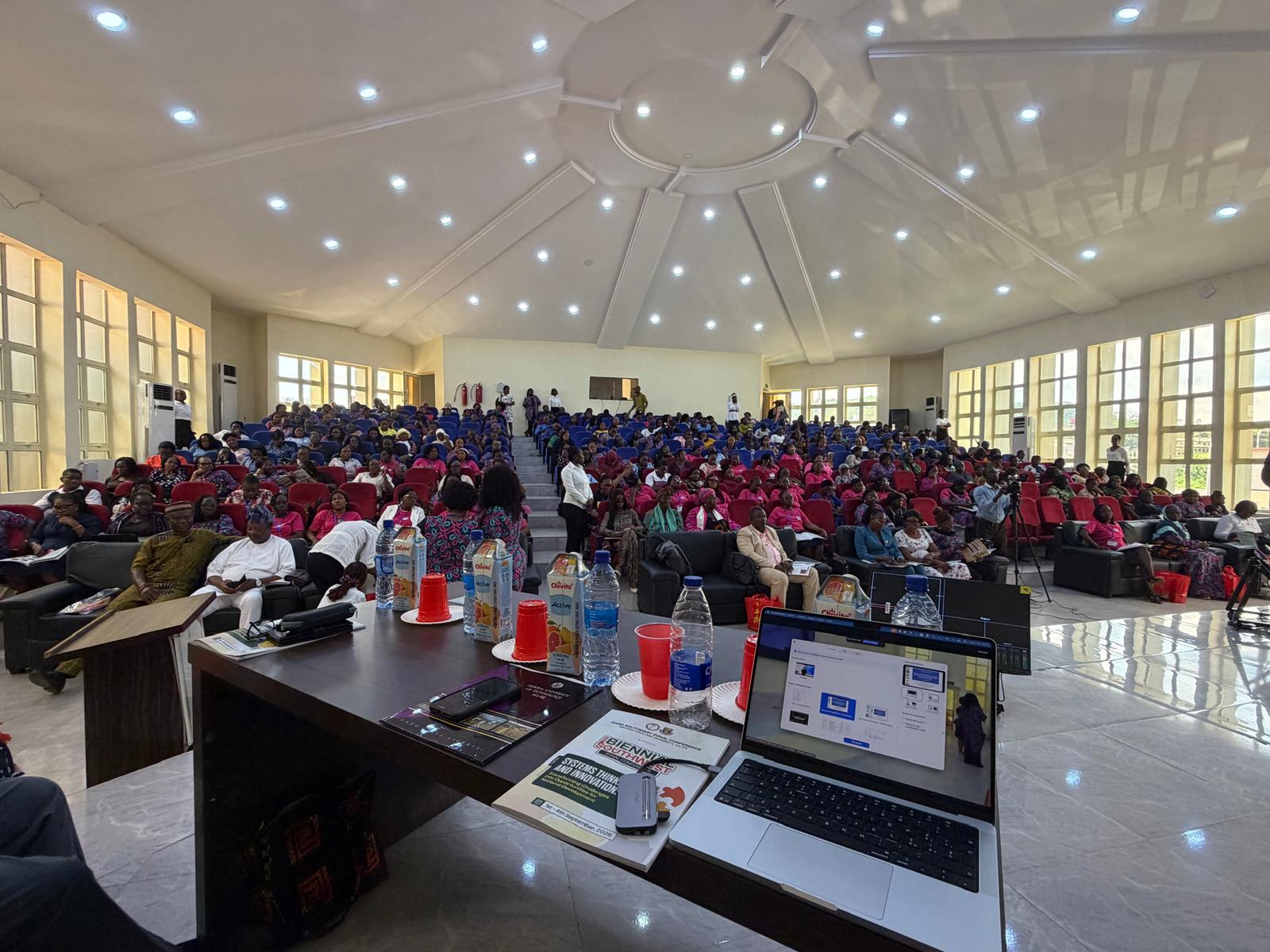
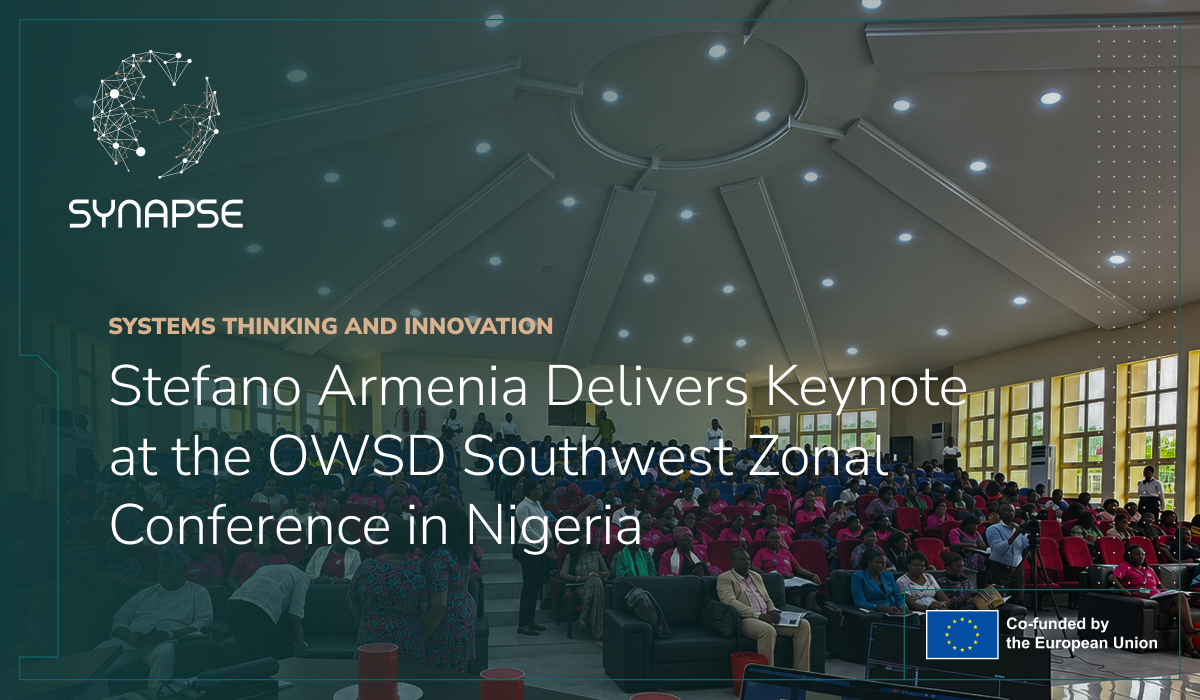
The auditorium during the keynote
The keynote also brought the SYNAPSE project to an audience beyond its immediate network. SYNAPSE uses systems thinking to engage young people and to support exchange between Europe and Africa. The project works with systems thinking as a practical way of examining challenges, questioning assumptions and understanding the connections between different parts of a problem.
Presenting SYNAPSE to participants from different academic and professional backgrounds opened discussion of the project’s focus on youth and learning across continents. It also placed systems thinking within the wider conversation on innovation and national development. After the keynote, participants took part in discussions that explored how the ideas could apply to different areas of development and research.
Prof. Armenia’s contribution to the conference had two strands: an introduction to systems thinking and its models, and the presentation of SYNAPSE as an example of systems-based methods applied to youth learning and international exchange. Both suited a conference that set out to connect ideas about innovation with the practical work of national development.
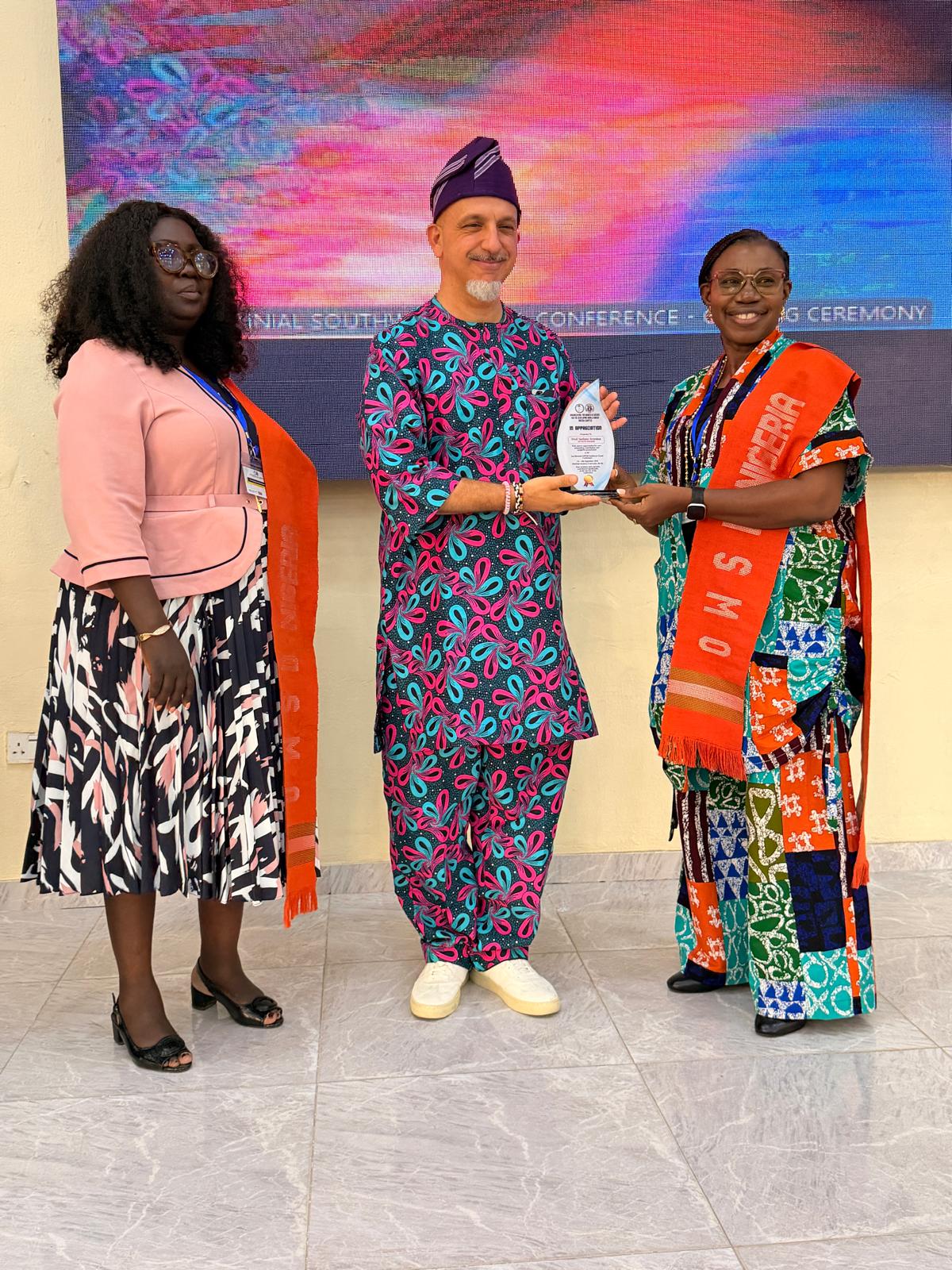
The conference organizers presented Prof. Armenia with an award
The conference provided an opportunity to introduce these ideas to a wider audience and to place the SYNAPSE project within a broader discussion on systems thinking, innovation and development. It also created room for participants to engage with the project’s approach and consider how systems thinking can be applied to complex issues in different contexts.